How the Midterm Results Could Reshape AI and Data Center Regulation
Data centers took a beating at the ballot box, and many winners promised stricter AI rules. Here is what the results suggest for regulation, markets and the AI industry.
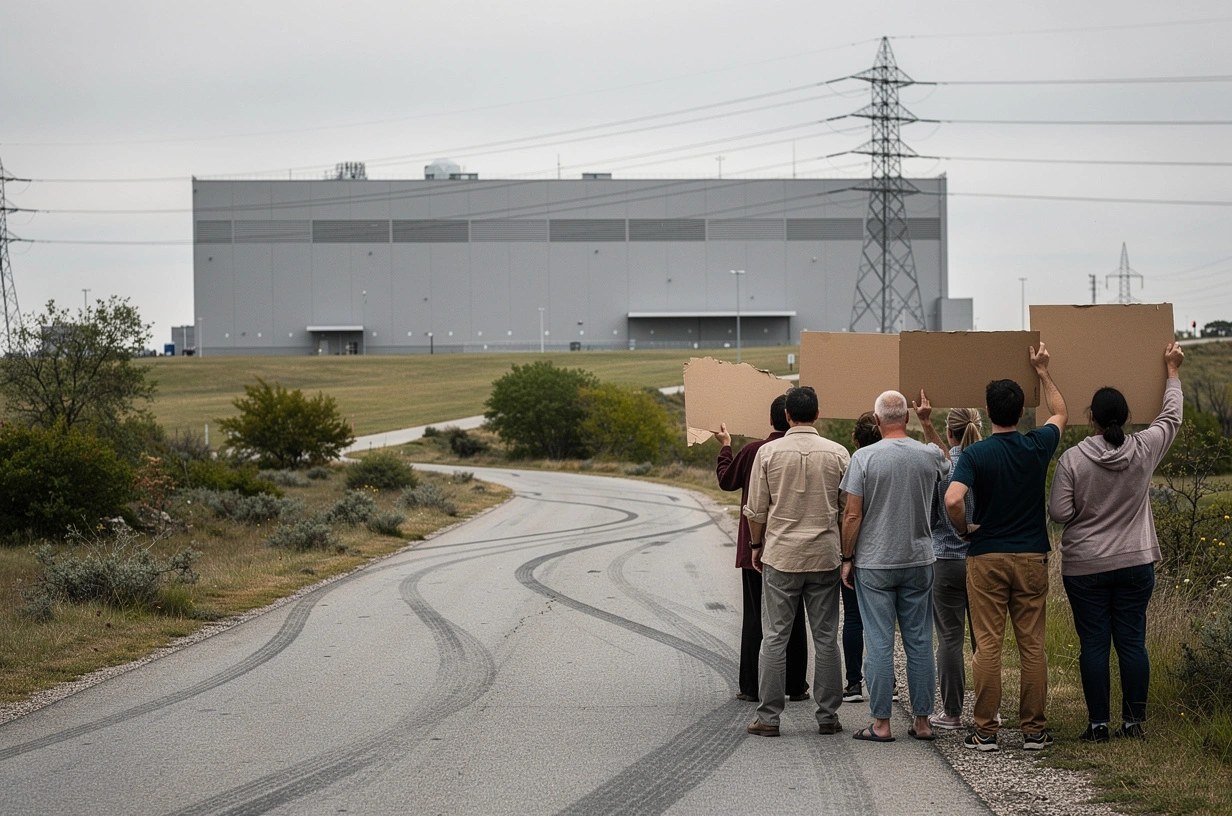
AI was not the top issue in the 2026 midterms, but it shaped the outcome more than expected. According to Associated Press reporting, voters slammed the brakes on data centers and elected governors and legislators who promised to protect people from AI risks. A tougher regulatory climate is expected for AI companies and data center developers, even if the president stalls any federal crackdown.
What the results show
- Data centers were on the ballot. Ballotpedia counted 34 data-center-related measures in November, with Ohio alone holding about 20, and four earlier measures in 2026 all favored tighter restrictions.
- Winners favored regulation. Data Center Watch found that the vast majority of winning candidates for Congress and governor had backed stronger regulation or even a moratorium. Among governors, 32 of the 34 winners in races AP had called supported stronger regulation or restrictions, and 12 of them supported bans or moratoriums.
- The pro-AI side struggled. Pro-AI political groups had trouble turning spending into wins, according to one report. Campaigns and outside groups spent about $173 million on data center ads, almost all of it negative. A rival group called Public First, which wants more AI regulation, received at least $20 million from Anthropic.
Why the backlash was bipartisan
Skepticism about data centers blended with the affordability fight. Electricity prices, water use and community impact drove opposition in places that otherwise vote differently. Polls before the election showed data centers were broadly unpopular, and voters also expressed anxiety about AI’s effect on jobs and safety.
What changes in Washington and the states
- Congress. Democrats are expected to take a more assertive approach than the current Republican majority, and several lawmakers have called for AI safety and data center bills when the new Congress convenes in January.
- A national moratorium faces long odds. It is certain to be vetoed by the president, but it shows how much uncertainty hangs over the industry.
- States. With federal action uncertain, states like California are moving ahead on their own, which sets up a fight over federal preemption.
The market angle
The election added a political risk to stocks already running on the AI boom. On November 5, the Nasdaq closed 11% below its all-time high amid worries that data center construction could slow as borrowing costs rise. Investors now have to price in not only technology risk but also the chance that permits, power connections and local votes slow the buildout.
How to read this
One election does not set policy, and AP noted that data center regulation was not on most ballots or among voters’ top issues. But the pattern is clear enough to matter: public skepticism of AI infrastructure is real, it crosses party lines, and candidates have learned there is a political upside to blocking or delaying projects. For AI companies, the case for the buildout now has to be made community by community.
Frequently asked questions
Did voters rank AI as a top issue?
No. AP reported that data center regulation was not on most ballots and was not among the top issues for most voters. It still shaped specific races and local measures.
Can Congress pass a national data center moratorium?
Reporting says a nationwide moratorium faces long odds in Congress and would be vetoed by the president.
What should readers watch next?
Watch the bills lawmakers introduce when the new Congress convenes in January, state-level action, and how local permitting decisions go.
The bottom line: public opposition to data centers is now a political fact that candidates, lenders and developers must price in. Federal outcomes remain uncertain because of the presidential veto, so states and localities may set the pace in 2027.
Anthropic is mentioned in this post as a donor to a political group. The draft was prepared with help from Claude, a model made by Anthropic.
Sources
- OPB (AP): AI data centers took a beating in the midterm elections
- MyNorthwest (AP): Data centers took a beating, reckoning may be ahead
- S&P Global: Data center backlash shapes midterm ballots
- Philadelphia Inquirer: Voters rejected AI in the midterms
- IBTimes Australia: AI industry faces reckoning after midterms
- CBS Austin: AI industry faces new political reality