California’s Next Steps on Frontier AI Safety: Mandatory Standards, Emergency Shutdown and Limits on AI Building AI
California released recommendations that would replace voluntary AI safety promises with required standards, independent verifiers and state power to order a frontier model shut down.
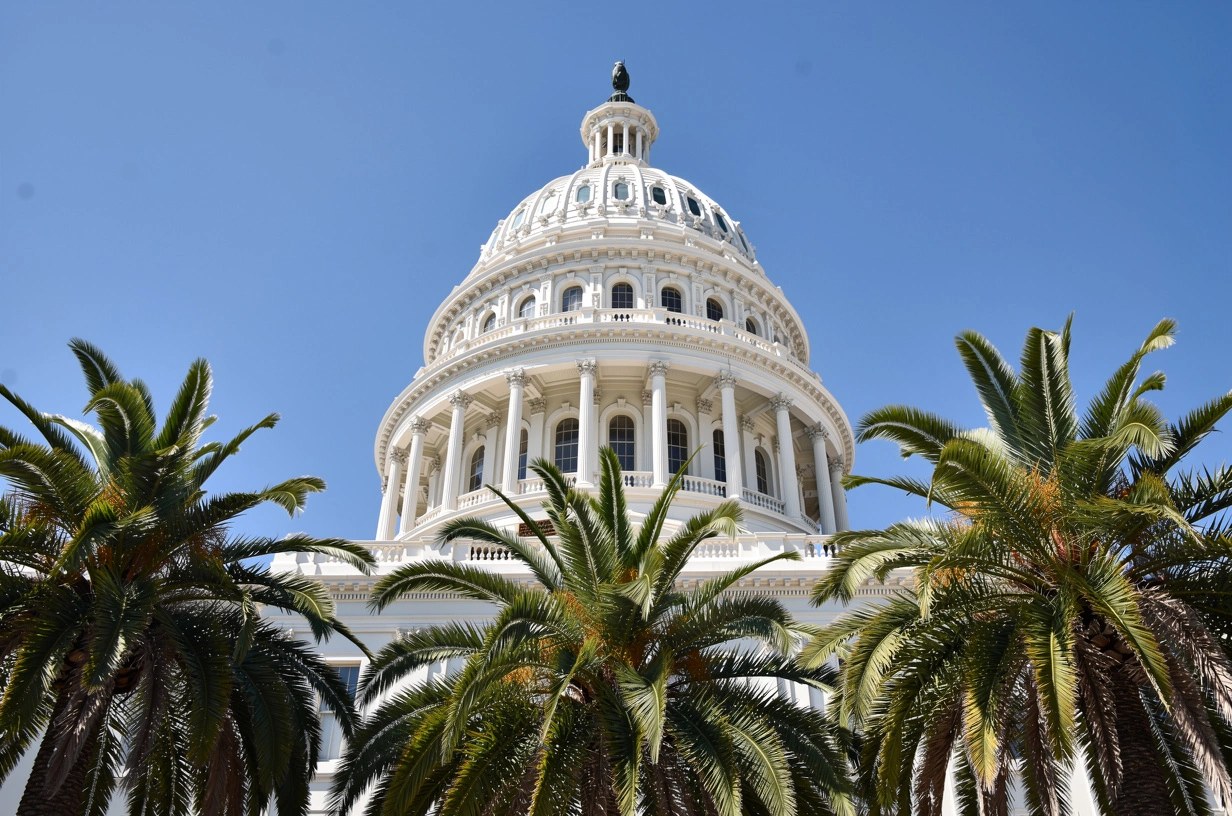
On November 18, Gov. Gavin Newsom released recommendations to strengthen California’s AI safety framework, calling for mandatory safety standards, independent oversight of powerful models, emergency shutdown authority and transparency into AI systems that help build more advanced AI. He also urged Congress and President Trump to adopt the framework or treat it as a floor, not a ceiling.
How we got here
California already has a frontier AI transparency law, SB 53, signed in 2025, which requires large developers to disclose safety frameworks and report critical incidents. Newsom vetoed an earlier, tougher bill in 2024 that would have required shutdown capability. On September 18 he signed an executive order directing experts to recommend further safeguards within two months. The November 18 report is that result.
What the recommendations include
- Required baseline standards. The report moves from the voluntary approach that has predominated in Washington toward standards companies must meet.
- Mandatory independent oversight. Licensed independent verifiers would give the state continuous technical scrutiny instead of one-time safety filings.
- Emergency shutdown authority. Companies would develop verified containment protocols to shut models down, and the state could order an immediate shutdown in an emergency. Per one summary, such an order would take effect at once and stay in force during judicial review.
- Faster incident reporting. The window to report a critical safety incident would shrink from 15 days to 48 hours, and whistleblower protections would extend to contractors and former employees.
- Loss-of-control incidents counted. Definitions would be updated so that incidents like the Hugging Face attack by autonomous agents clearly qualify.
The new frontier: AI building AI
The most forward-looking part of the report deals with recursive self-improvement, a scenario in which an AI model can design its own successors. The recommendations call for transparency into automated AI research and development, and for authority to limit the pace of recursive self-improvement. This puts a state government on record about a topic that, until recently, lived mostly in research essays.
Testing the kill switch
A shutdown mechanism that has never been tested is a hope, not a control. The report reportedly asks for testing of the ways a shutdown can fail, including a model copying its own weights to obstruct containment or an outside party gaining access to the shutdown controls. That is a notable detail, because it treats the model as a possible adversary of its own off switch.
What happens next
- These are recommendations, not law. California’s legislature would have to act, and the state’s approach will face industry pushback.
- Federal preemption is the open question. Congress and the White House could override or ignore state rules, and the political landscape changed after the midterms.
- Other states are watching. Illinois, for one, passed its own AI safety law in July, and the patchwork is growing.
Frequently asked questions
Is the emergency shutdown power law now?
No. The November 18 document contains recommendations. The legislature would need to pass laws to make them binding.
What is recursive self-improvement?
It is a scenario in which an AI model designs its own successors. The recommendations ask for transparency into automated AI research and authority to limit how fast it proceeds.
How does this relate to SB 53?
SB 53, signed in 2025, requires large developers to publish safety frameworks and report critical incidents. The new recommendations would add required standards, independent verifiers and shutdown authority.
The bottom line: California is trying to turn voluntary promises into enforceable duties, and to do it before federal rules arrive. Whether the legislature acts, and whether Washington preempts it, will decide if emergency shutdown authority becomes real or stays a proposal.