AI just designed working proteins. Here's what that means for your business
OpenAI says its GPT-6 models can design proteins that work in the lab, using nothing but reasoning and code. That could lead to real medical breakthroughs, and it carries a lesson for every small business.
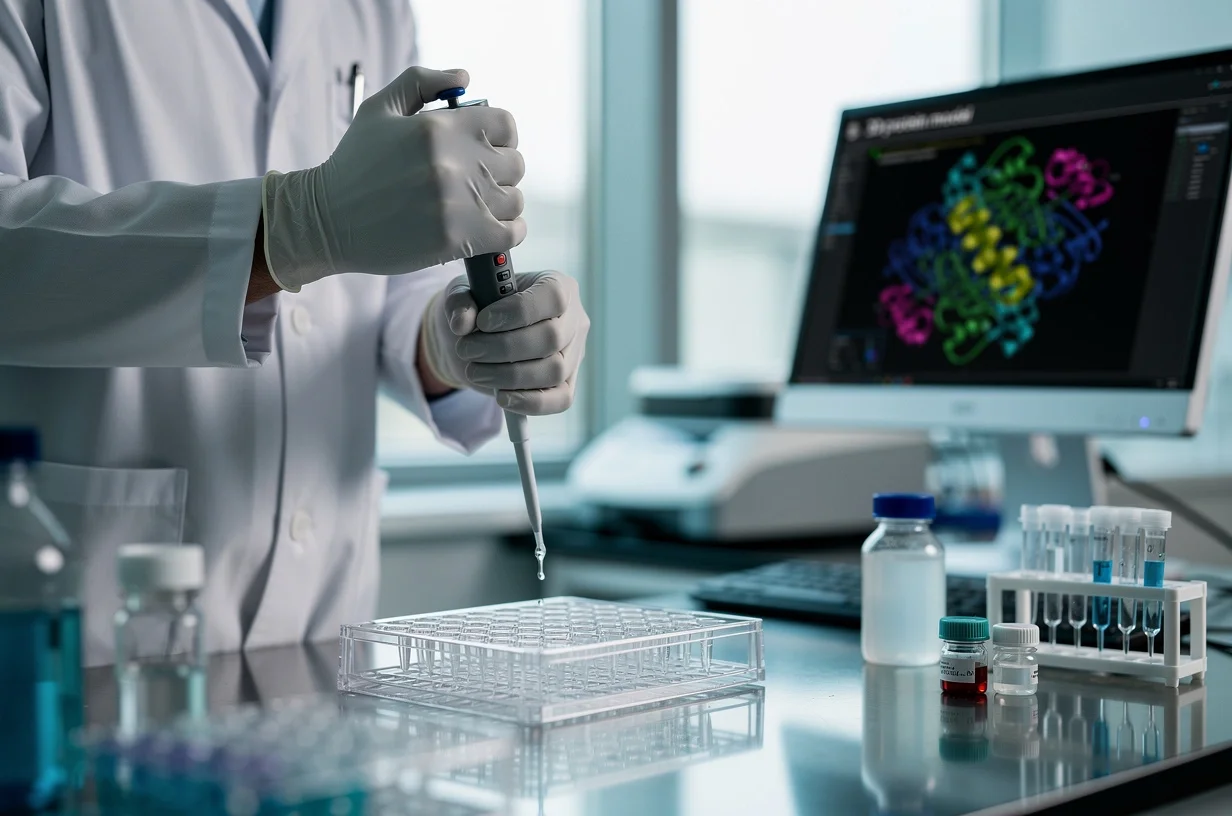
Proteins are the tiny machines that run nearly everything in your body. Designing new ones has traditionally taken specialized software, years of training and a lot of trial and error. This week OpenAI said its GPT-6 models can do a surprising amount of that work with nothing but reasoning and code.
According to OpenAI, its models generated protein structures and sequences without any specialized biology tools, and an internal model matched or beat dedicated design software on several tasks. These weren't just pretty pictures on a screen, either. Lab tests with partner company Onava showed the designs binding to five different targets, and 35 of 322 lab-tested mini-proteins hit their mark. The models still struggle to predict a protein's full structure, so this isn't magic. But it is a big step.
Why I'm excited about this
Here's my take: this could help create some real medical breakthroughs. Faster protein design can mean faster drug discovery, new treatments and, eventually, cheaper medicine. When the time it takes to test an idea drops from months to days, more good ideas get tested. That's good news for all of us, whether we ever set foot in a lab or not.
The lesson for small businesses
You're probably not designing antibodies this quarter. But look at the pattern: a general-purpose AI model just went toe-to-toe with expensive, specialist software in one of the hardest fields there is.
That same pattern is showing up in everyday business tools. Many companies pay for a separate app for scheduling, another for proposals, another for reporting and another for customer emails. A capable AI assistant can increasingly handle a good chunk of that work on its own, guided by your instructions and your data.
Three questions to ask this week
Which specialist tools do you pay for but barely use? List them. Some of that work may already be within reach of the AI tools you have.
Where does your team wait on an expert? Drafts, quotes and first-pass analysis are prime candidates for an AI first draft that a person then reviews.
What would you test if testing were cheap? The real win in OpenAI's news is speed of experimentation. Pick one idea you've been putting off and let AI help you try it.
Scientists just got a faster way to turn ideas into experiments. Your business can too. If you'd like help figuring out where AI fits in your workflow, start at harveymyers.com.